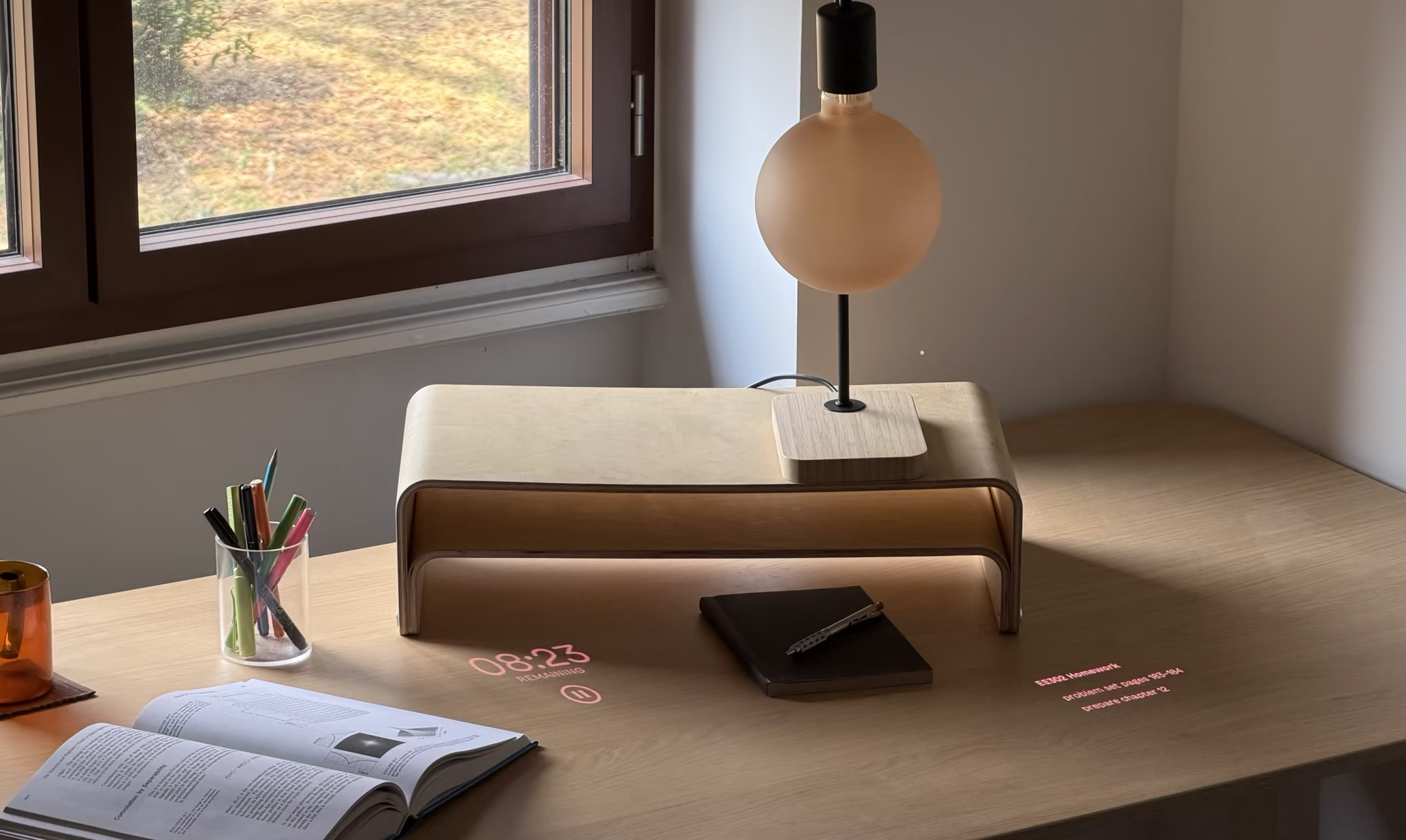
The Lightbulb Computer
published September 2026 · Guillaume Ardaud
A video version of this piece is available on YouTube.
Modern visions for the future of human-computer interaction are excessively focused on smart glasses and headsets - devices that are constraining & socially awkward.
This project explores an alternative direction - a speculative device called the Lightbulb Computer that uses modern projector technology & computer vision advancements to blend ambient computation & spatial information display in everyday spaces.
In this series of design prototypes, I want to share with you a direction for computing that involves projecting information in the real world to augment it, rather than keeping it confined to small rectangular screens, or worse - piping it through devices that live on our faces.
I call this vision the Lightbulb Computer: a device that combines a projector with computer vision, in the shape of a large lightbulb.
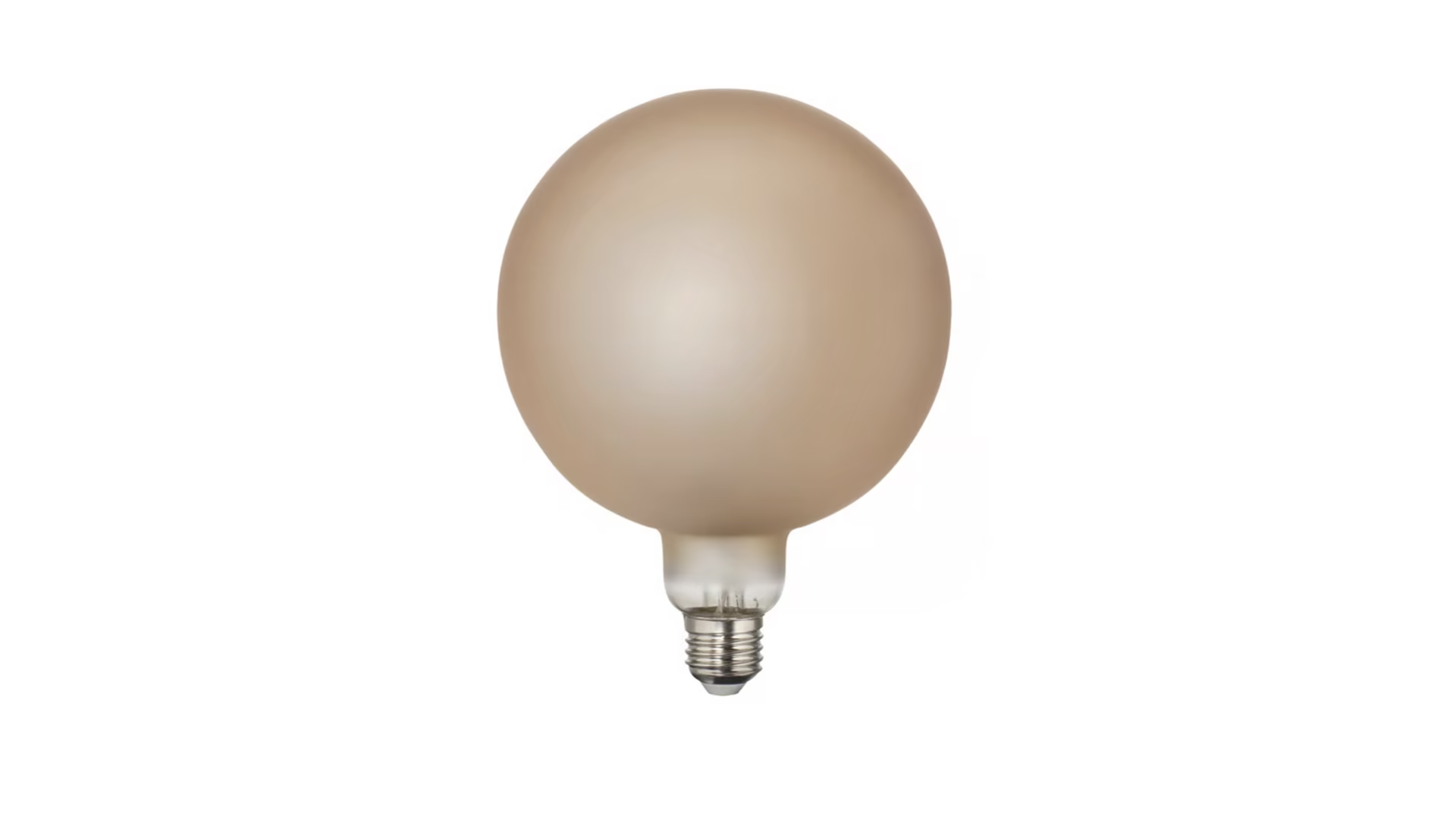
The lightbulb form factor means it can easily be mounted in a small portable lamp-like base to carry it around the house; or screwed into any wall or ceiling Edison socket, for a room-scale permanent setup.
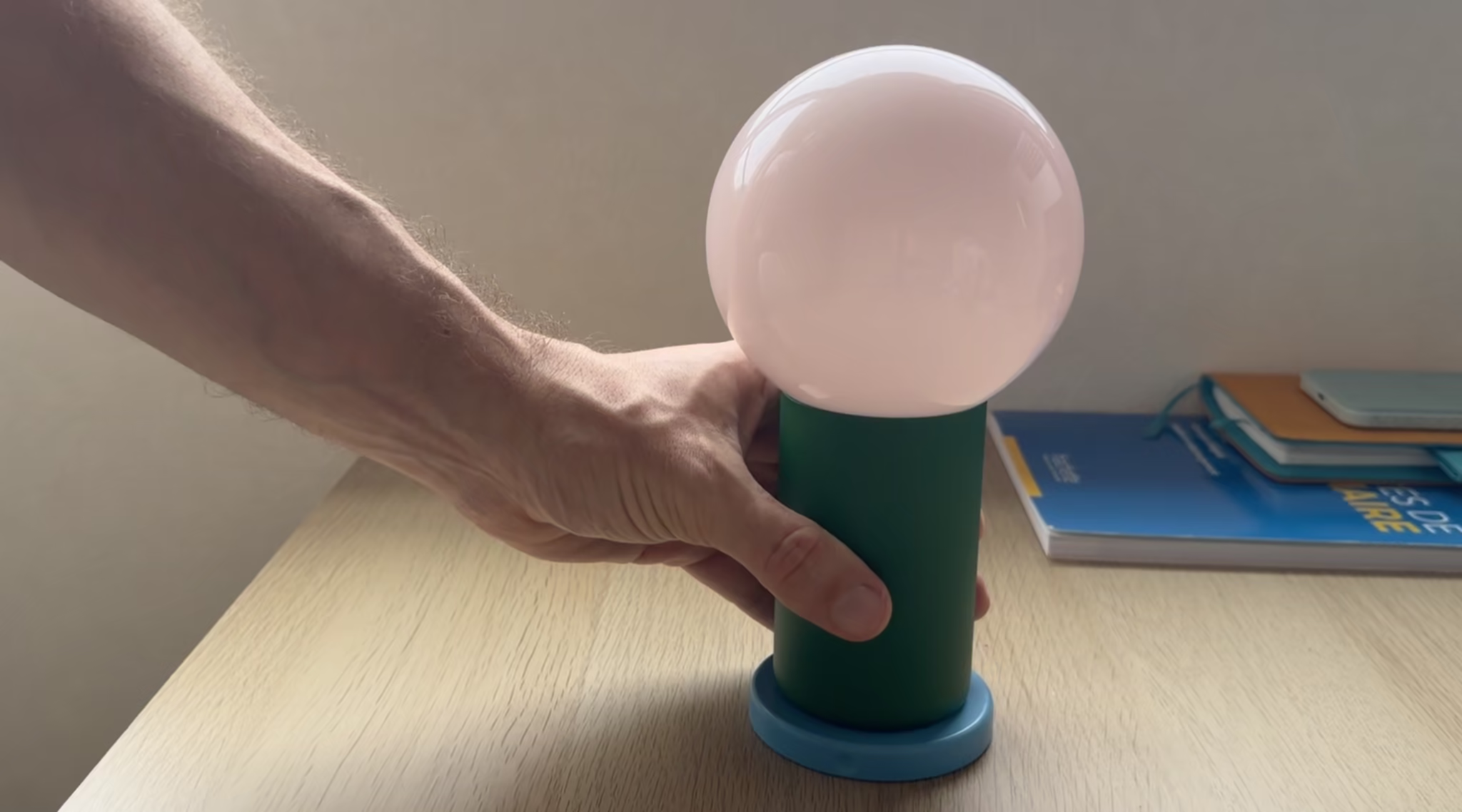
Mounted in a portable battery base, the Lightbulb Computer can easily be placed anywhere on a desk, or around the house.
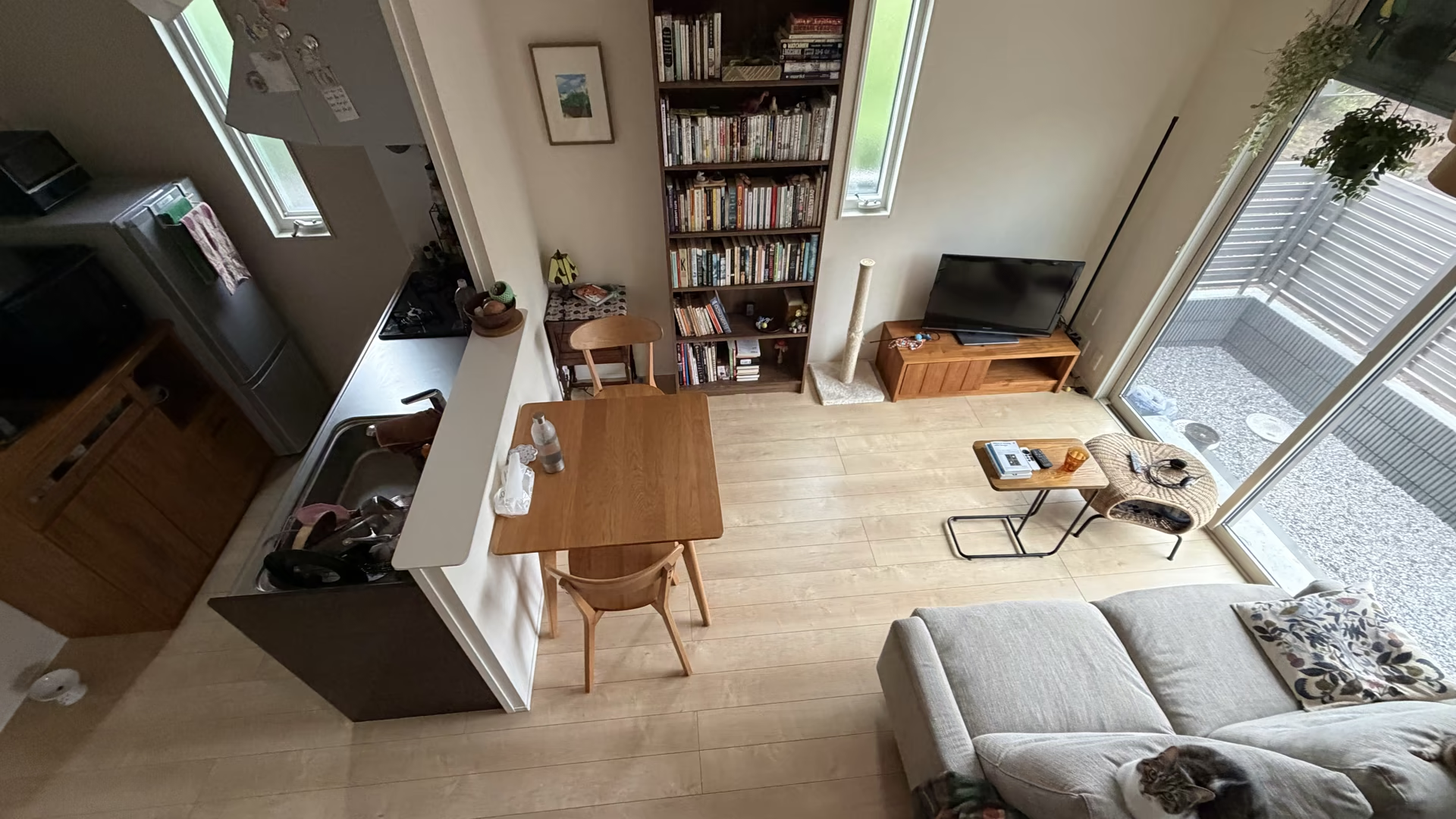
Not only is the ceiling a great vantage point to view the entirety of a room and project anywhere; lightbulb sockets are a near-ubiquitous worldwide standard.
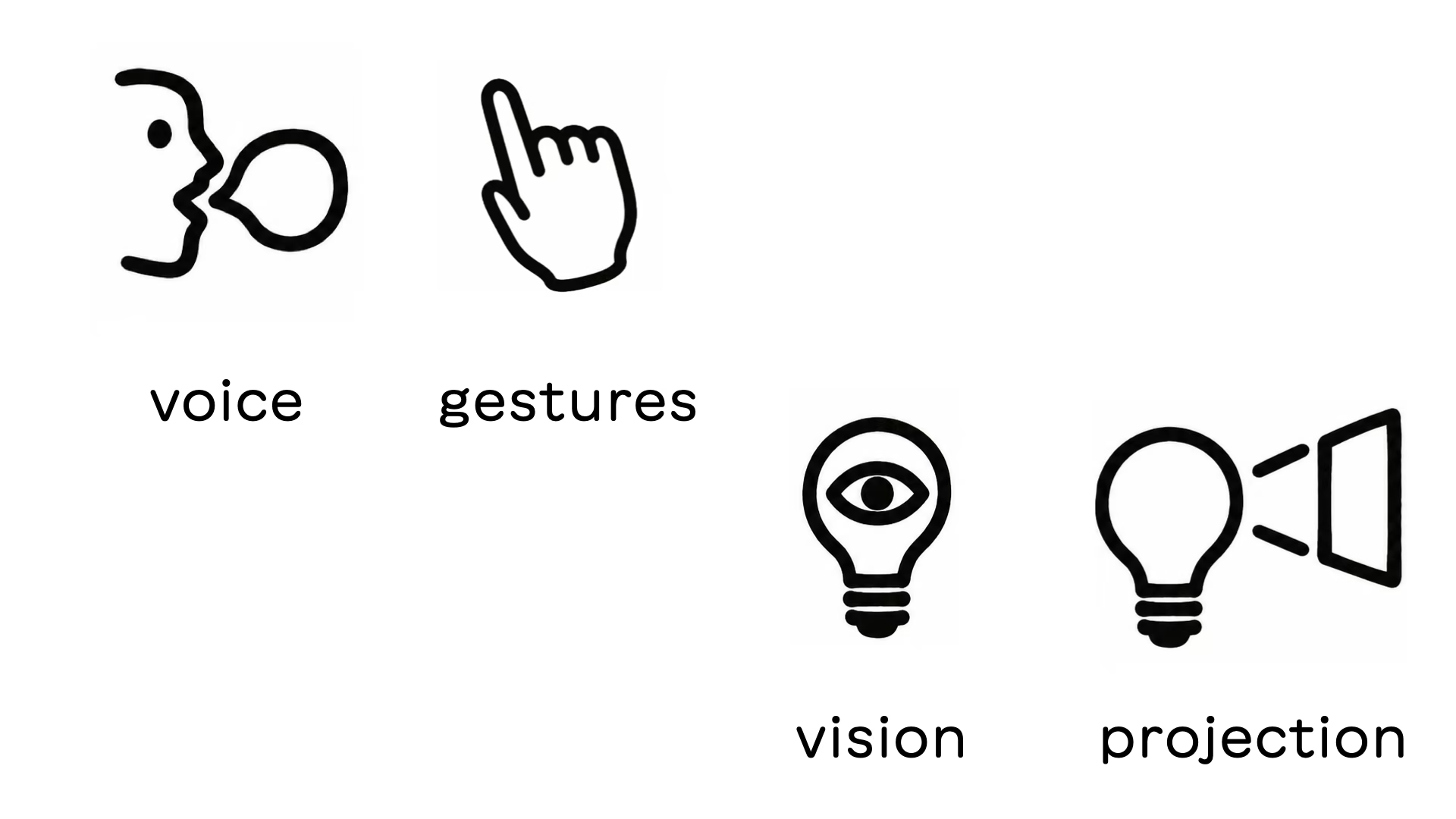
The Lightbulb Computer reacts to voice commands; sees where you point; can analyze what it sees; and can project content and highlight things in the real world.
Use Cases
Here are some things you can do with this device:
In the kitchen, you can pin widgets like recipes and timers, or overlays to help with mise en place, on various surfaces:
It's a much more natural way to get things done, especially with wet hands, or hands covered in flour. You don't have to unlock your phone, dealing with a tiny screen full of notifications and distractions.
When studying or reading, you can ask questions about the content:
You get the answer right there, without having to pull out your phone, and potentially get distracted by something else.
When planning a trip with someone, rather than huddling around a phone, you get a giant map to look at things together, with basic gestures to pan & scroll the map; you can toggle transit overlays, and check out all the sights you want to see.
Of course you're still free to use your phone if you want to look up something that requires typing or more complex interactions, but it's just a much more convivial experience to be looking at a big map together like that.
Similarly you can send photos over from your phone and have them projected on any surface.
It's a much nicer way to look at photos together. I think these sorts of social interactions really shine with the Lightbulb Computer.
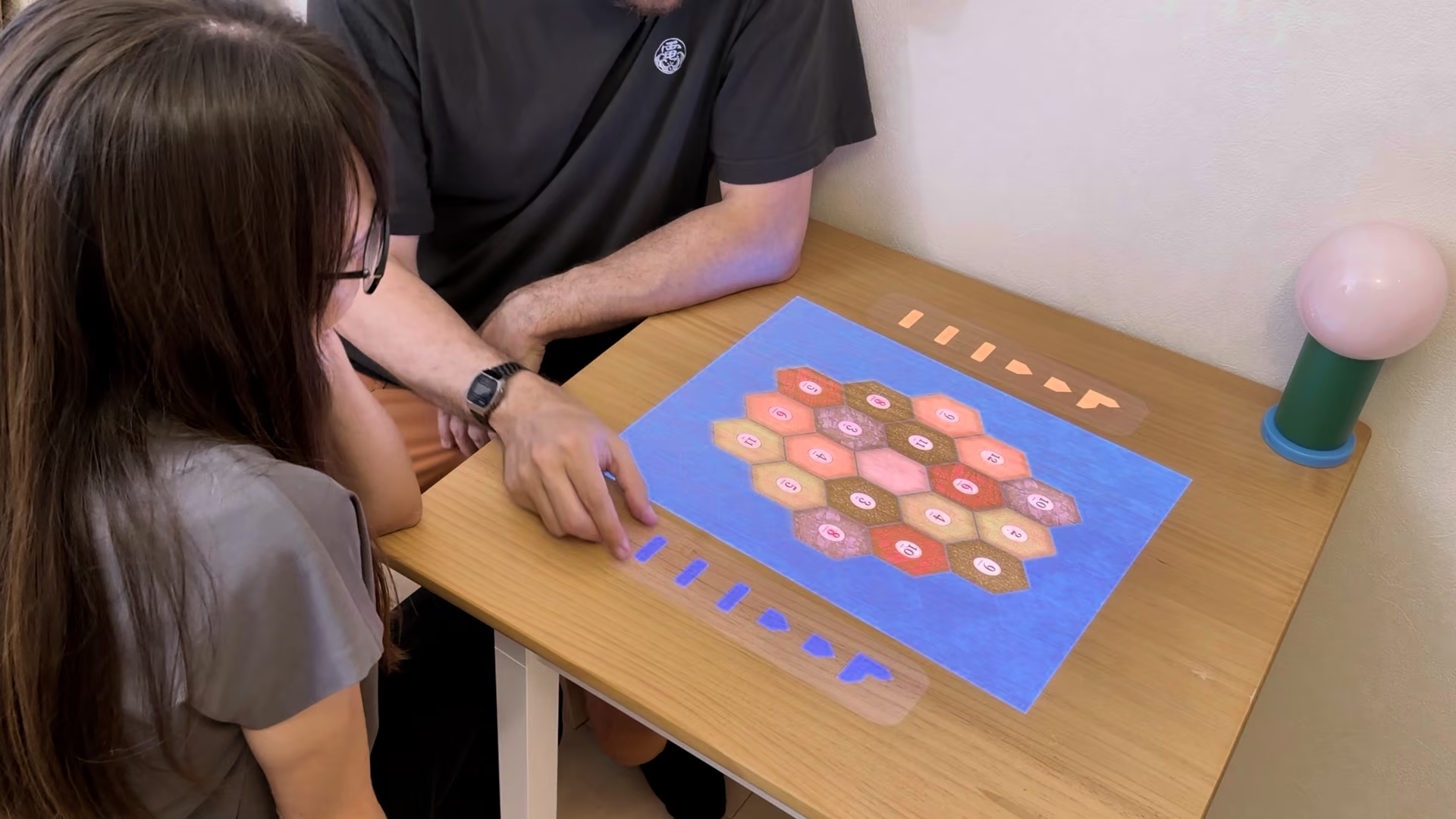
You might even play board games - perhaps less fun than with a physical board game, but much quicker to set up, with nothing to tidy after, or worry about kids or cats knocking over tokens.
Interacting with smart home devices also becomes much more fluid - you can just point to control them.
If you have more than a few smart home devices, you know it's impossible to remember their specific names, but the Lightbulb Computer can just see what you're pointing at, and make those interactions much more natural.
You could also use the Lightbulb Computer to have an ambient display - for example next to your bed, showing the time, your alarm clock, the weather or calendar for the next day - again all without having to stare at a screen.
A shared family board can live in the hallway, where everyone can see it at a glance; items can be checked off just by tapping. What's really nice about this is that it just blends into your environment, and isn't another screen in your house.
Modern vision models can read information in the world in milliseconds, much faster than we can; it'd take me at least a few minutes to go through all the books on these shelves, or I can just ask:
Other physical objects in the house can also be augmented by the Lightbulb Computer.
This beautiful 3D map of the area around my house can be overlaid with the weather, or customizable, time specific information, like conditions at my favorite ski stations during the winter:
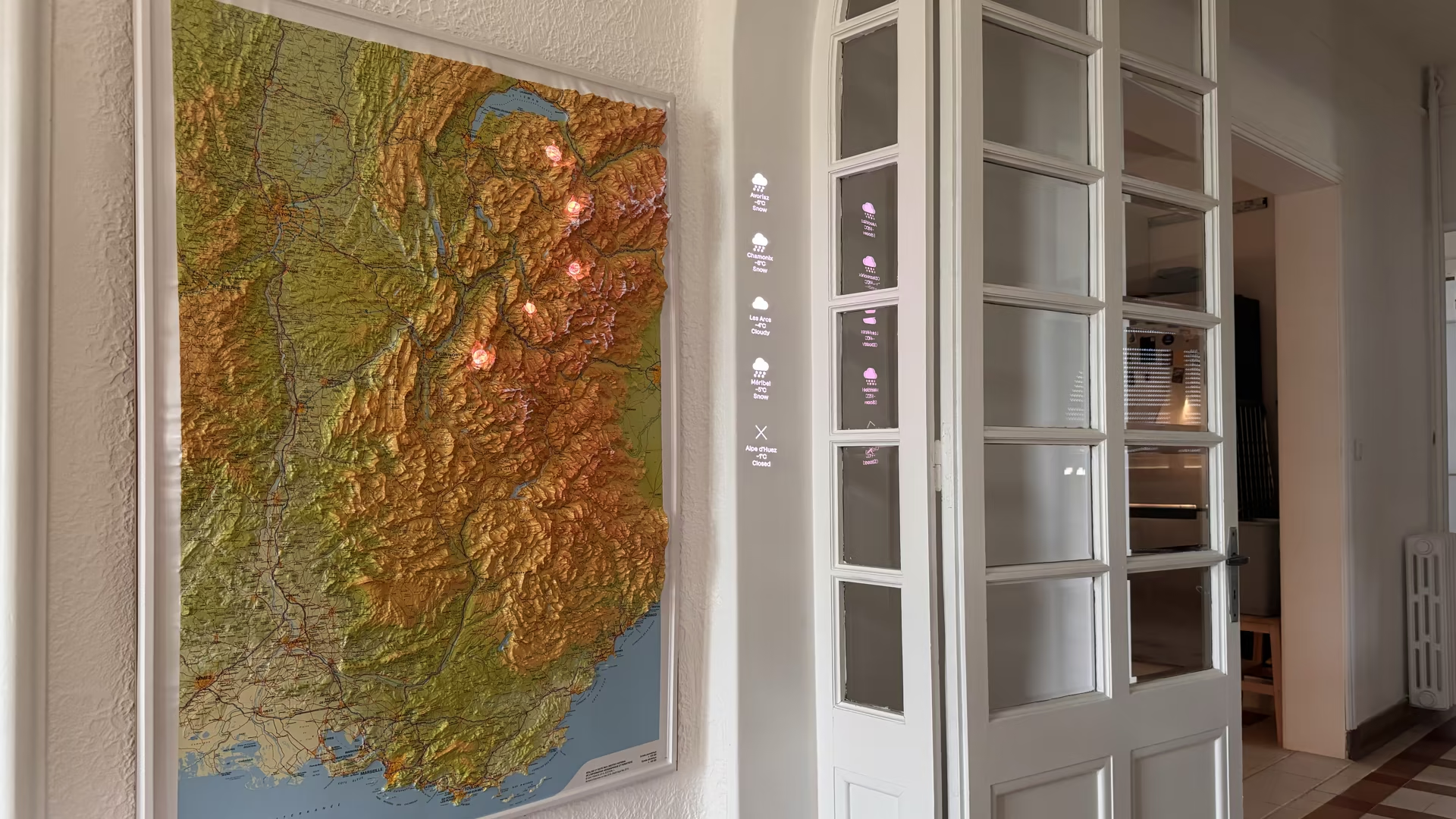
It can also make the map interactive: I can ask it to highlight the location of a little mountain village I forgot the whereabouts of.
All the videos shown here are from a real - yet bulky - prototype setup. No video editing or special effects, or AI generation.
And while I don't think the technology is quite there yet to build a consumer version of this Lightbulb Computer today, I also don't think we're too far off.
Computer vision has improved tremendously recently; and projector technology is steadily advancing, with bright, high resolution, small footprint projectors now being a reality.
User privacy would naturally have to be a first-order consideration for such a device; that can be addressed through existing best practices like on-device processing, hardware guardrails against unauthorized camera access (camera only turns on when activated by the user, with a hard-wired indicator light; physical cover; etc.), and so on.
I think in light of the alternatives that the industry is pushing right now, it's a path for the future of computing really worth pursuing.
Imagining a New Horizon for Spatial & Ambient Computing
Today we have two very distinct ways of interacting with information.
On one hand we have the physical objects that we've had for centuries: books, maps, printed pictures, physical tools; on the other, we have computing devices: laptops, phones, tablets - in short, screens.
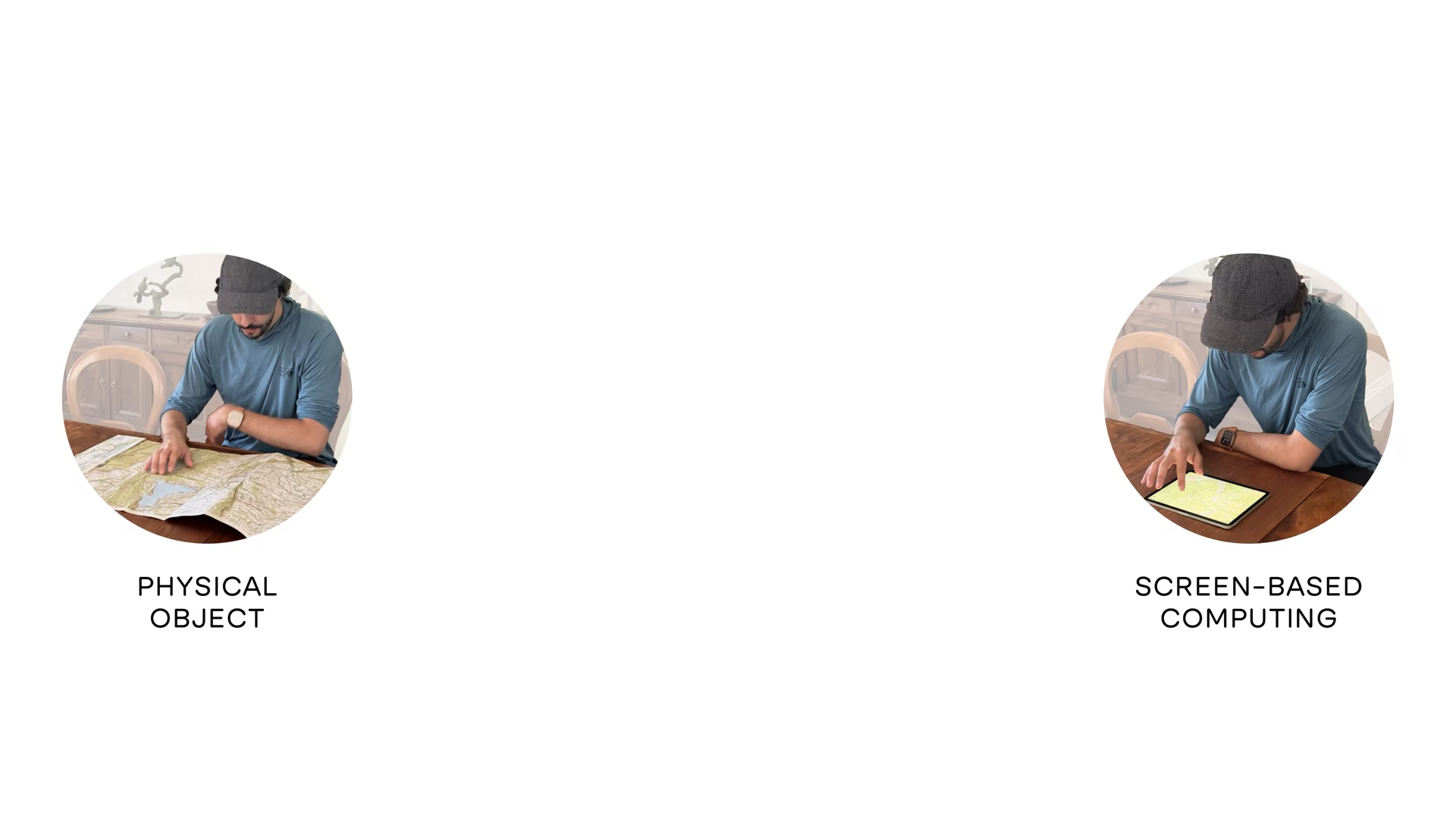
Recently screen-based computing has attracted a lot of criticism: for being addictive; for being antisocial; for offering us a very reductive view of the world. When we're interacting with a screen, we're not really interacting with the broader physical world: we’re limited to a small pane of glass, that encourages us to ignore what's around us.
There’s been a new vision for computing, that I will call "eyewear-based computing". It also gets called Virtual Reality; Mixed Reality; Augmented Reality; and more.
Fundamentally, it all involves putting something on your face, in front of your eyes.
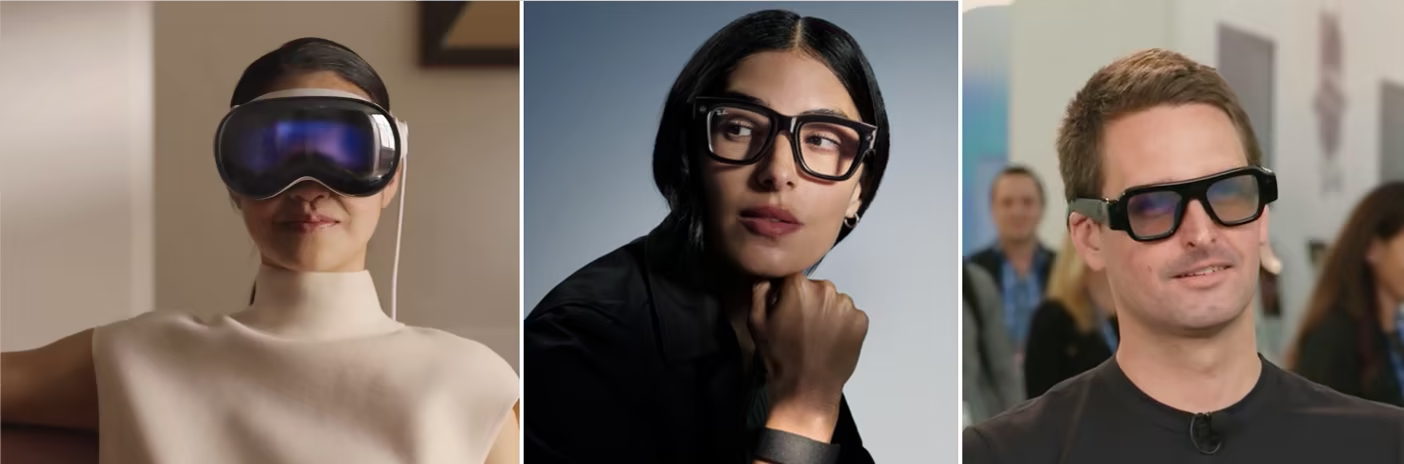
And that's already a weak proposition: it might interfere with your hair, makeup, jewelry, existing optical aids like glasses or contacts.
Not only that, but the eyewear form factor is constrained in many dimensions for computing: the device has to be very small and lightweight which means strong limitations on power, computation, thermals.
And maybe most important of all, it feels fundamentally antisocial. Everybody is required to have their own device, and those devices need to be compatible with one another for any shared experience.
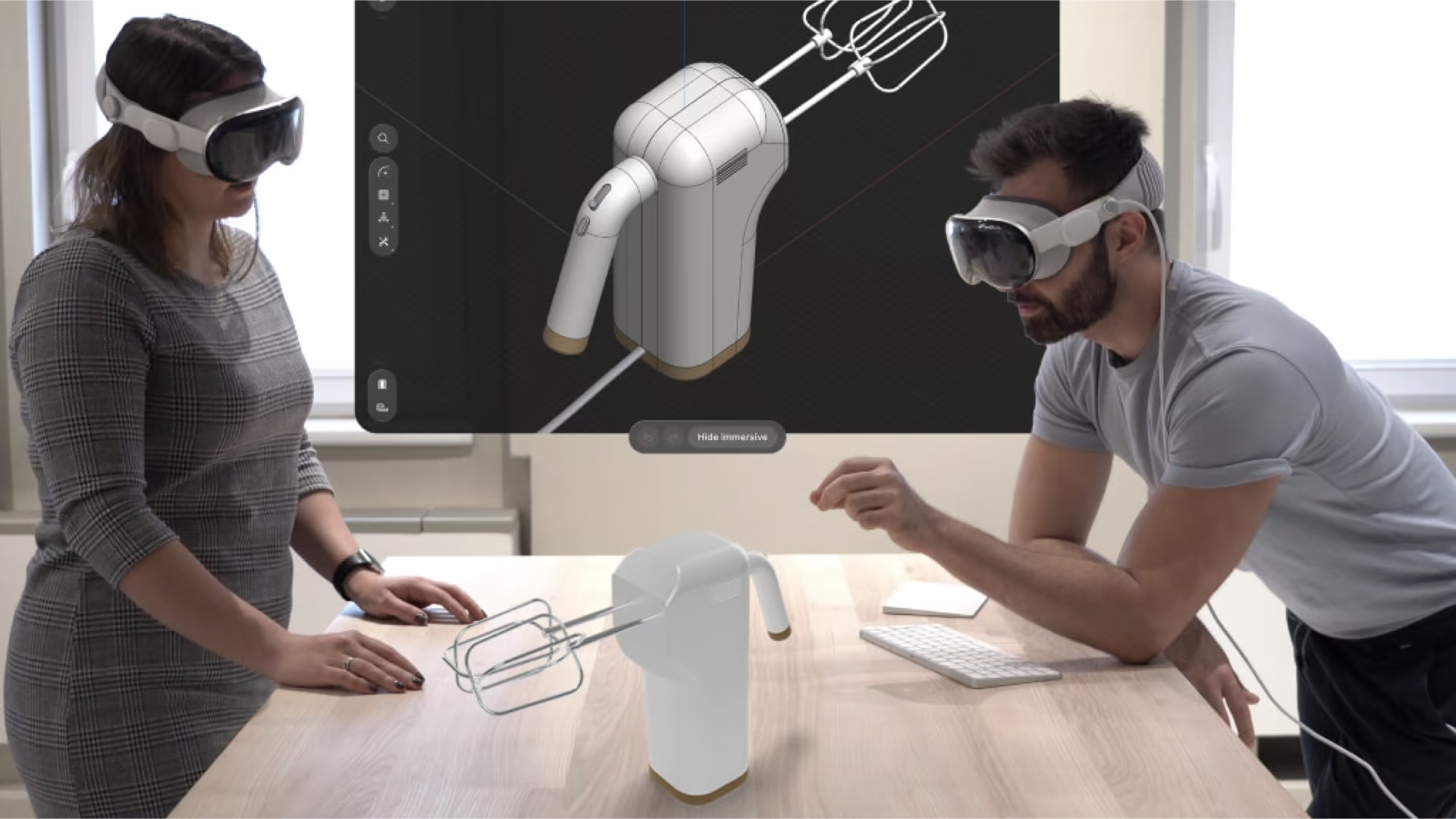
This is the kind of image you’ll often see in marketing materials. But really if you were to enter this room, this is not what you would see.
This is what you would see:
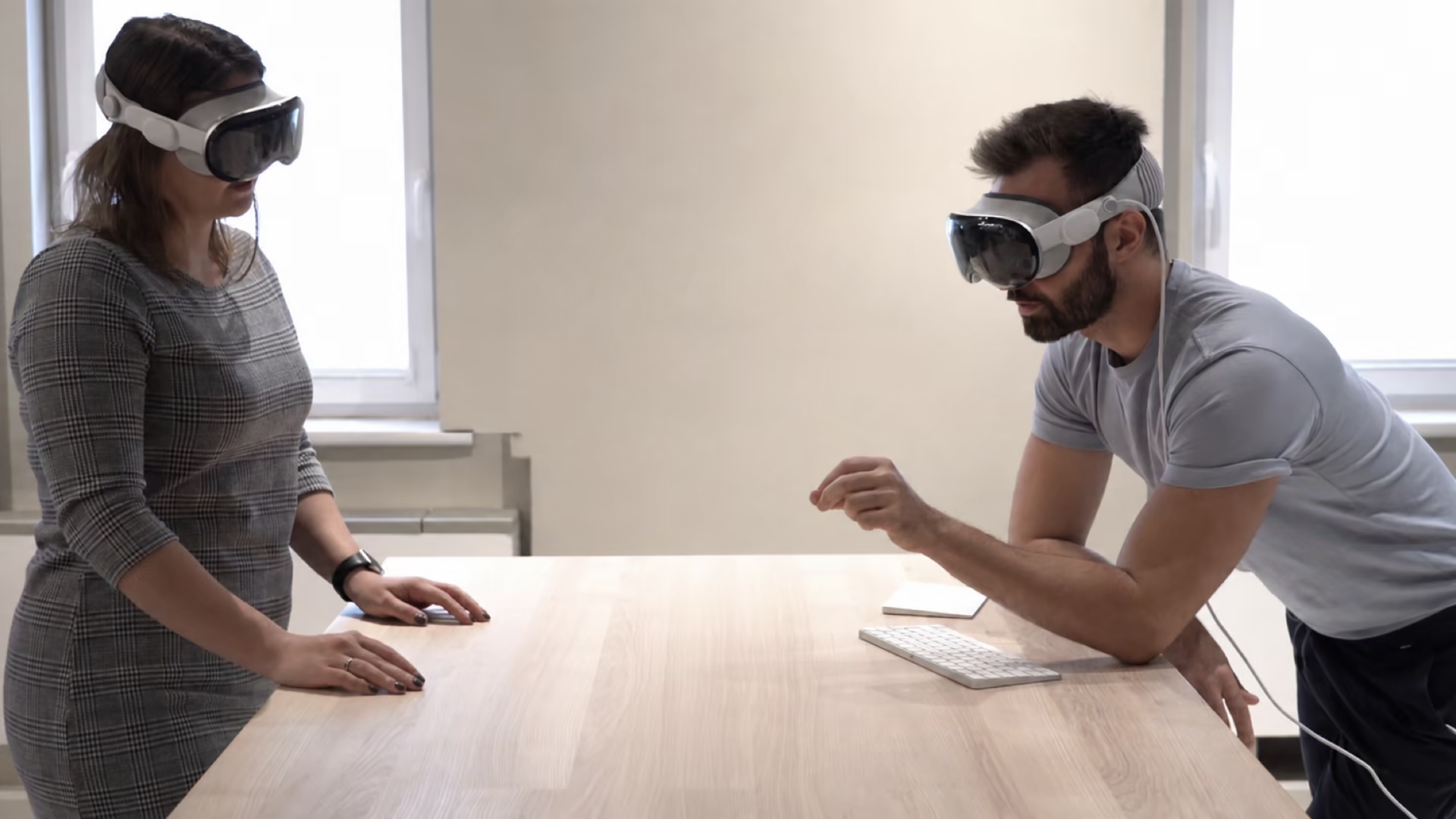
So while eyewear-based computing is interesting in some respects, I don’t think it addresses the deeper problems we have with screen-based computing - and this is where projector-based computing becomes much more compelling.
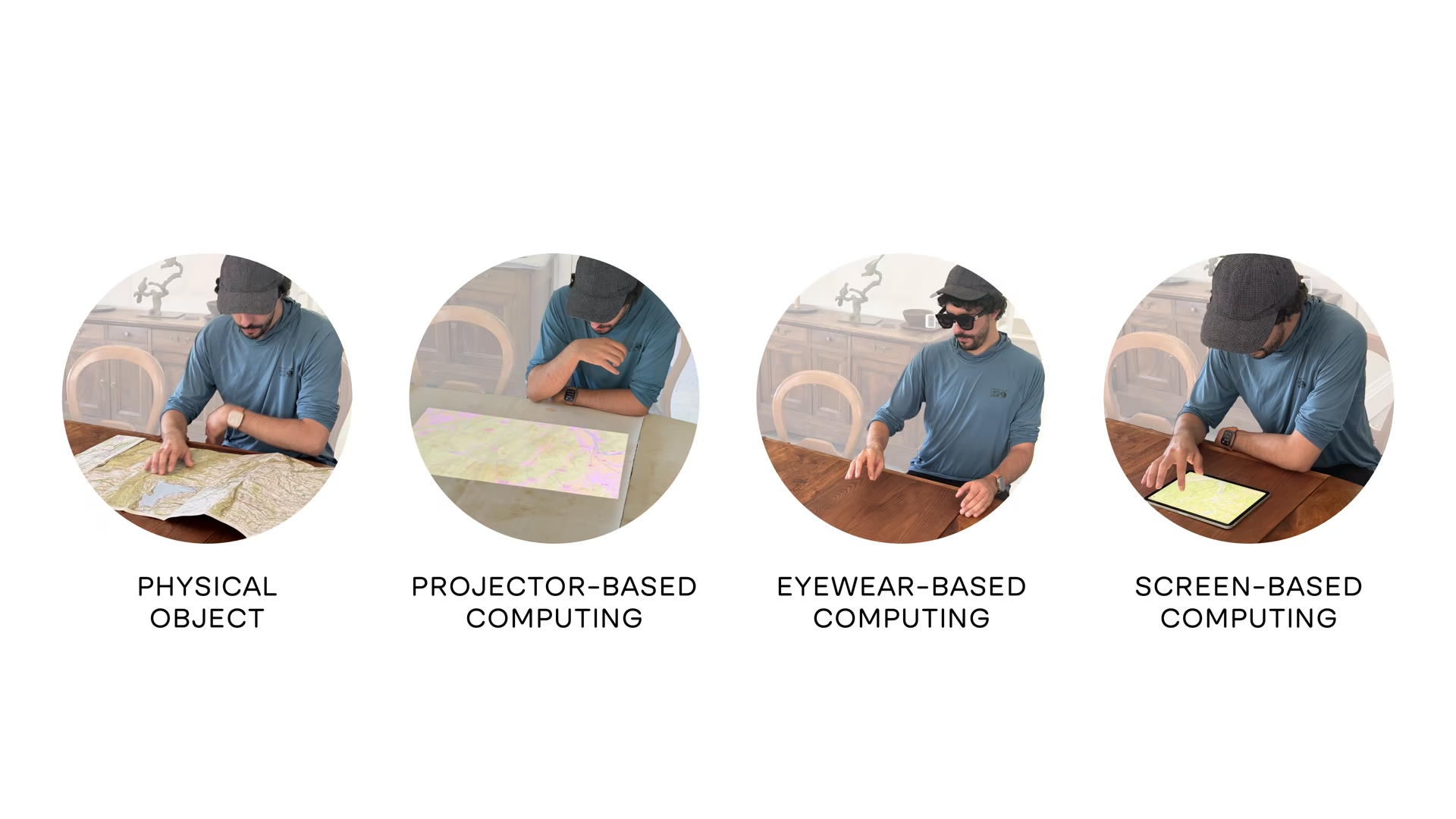
There’s a long history of using projectors for computing: in research and academic projects (see e.g. I/O Bulb, LuminAR); in products like the Humane Pin; community projects like Dynamicland or Folk Computer (which use projector-based computing to reinvent people's relationship to computing); and more broadly in installations in museums and public spaces.
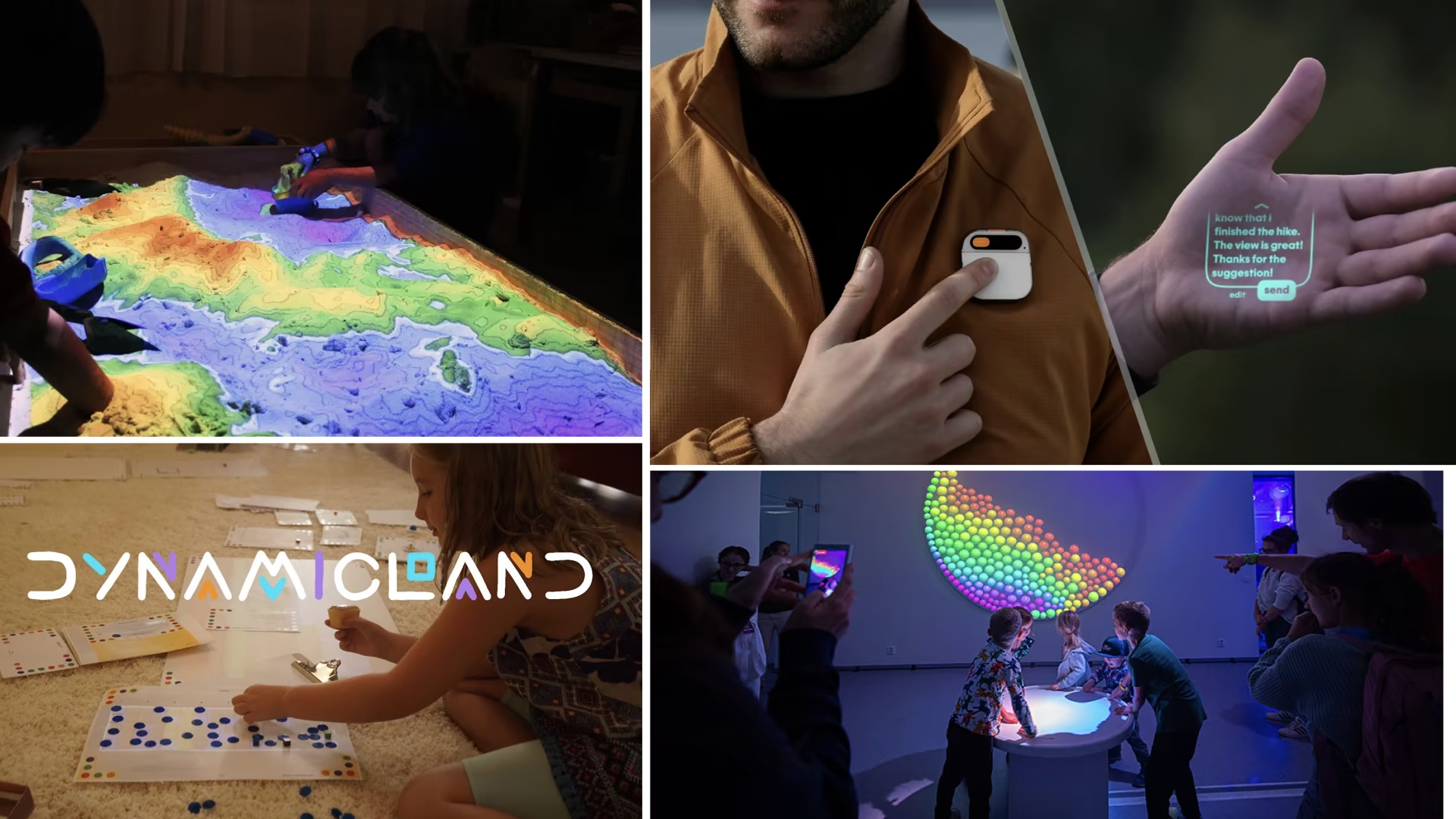
But none of those cover what we would call personal computing: the kind of things that we do today with laptops and phones and tablets, especially in our homes, or at work.
And that's where I think there's room for real reinvention.
Thanks for taking the time to read all the way through - if this is a vision you think is exciting, definitely reach out and let me know what you think.
There are more demos I haven't shown here, and if there's interest I can share that - as well as some behind the scenes of how I got these prototypes up and running.

About the author
Guillaume Ardaud is a French/American software & interface designer based in Tokyo since 2023. Worked for Apple as a prototyper/designer for over 8 years on projects like Face ID, Apple Pencil, and the iPhone camera system; since 2022 has been independently designing and consulting as Héliographe.
If you want to chat more about this project, or any hardware/interaction/software design projects in general, get in touch!